






Where to leave waste for collection on Frith Street Soho
Posted on 03/09/2026
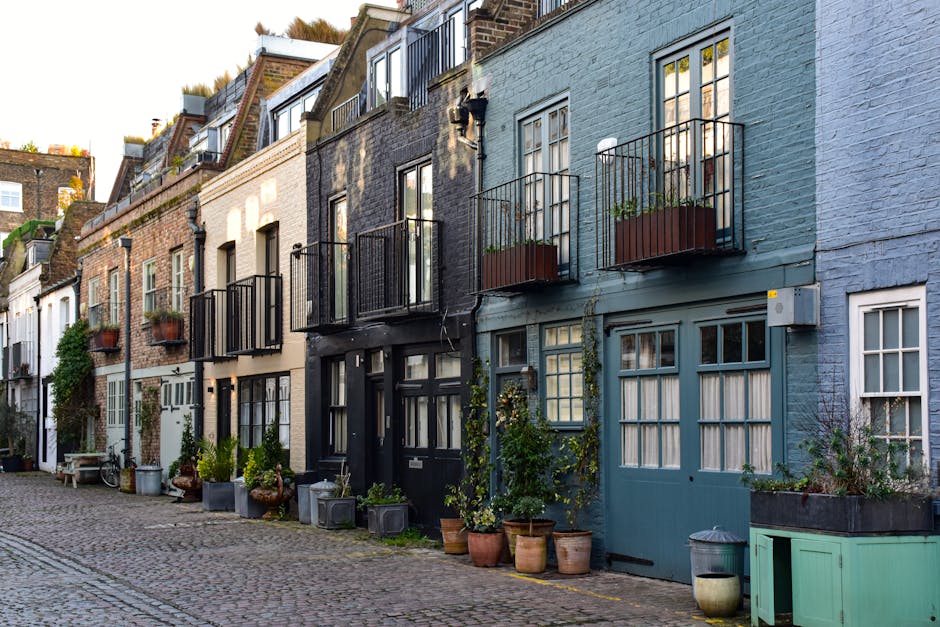
If you are trying to work out where to leave waste for collection on Frith Street Soho, you are probably after a simple answer that actually works in real life. Fair enough. Frith Street is busy, tightly run, and not the kind of place where you can just guess your way through rubbish collection without causing a problem for yourself or your neighbours.
This guide walks you through the practical side of leaving waste out safely, sensibly, and in a way that supports collection rather than creating a mess on the pavement. We will cover timing, placement, access, common mistakes, local considerations, and when a professional waste clearance service makes more sense. If you are dealing with household bags, boxy flat-pack waste, office clear-out items, or builders' debris, the same basic principle applies: put it where it can be collected without blocking the street or upsetting the flow of the area.
To make it easier to navigate, here is a quick Table of Contents.
- Why this matters on Frith Street
- How waste collection works here
- Key benefits and practical advantages
- Who this is for
- Step-by-step guidance
- Expert tips for better results
- Common mistakes to avoid
- Tools, resources and recommendations
- Law, compliance, standards and best practice
- Options and comparison table
- Case study or real-world example
- Practical checklist
- Conclusion
- Frequently asked questions
Why Where to leave waste for collection on Frith Street Soho Matters
On a street like Frith Street, waste placement is not a tiny detail. It affects access, safety, appearance, and whether your collection goes smoothly or turns into a back-and-forth with missing bags and awkward timing. Soho has a very lived-in feel: deliveries arrive, pedestrians weave around cafe tables, cleaners work early, and by evening the street has its own rhythm. Leave waste in the wrong place and it can quickly become someone else's problem. That never ends well.
Knowing the right spot matters because rubbish left too close to entrances, fire exits, loading areas, or passing traffic can be moved, rejected, or damaged. Bags can split, cardboard can get wet, and loose items can blow about. And let's face it, in central London the line between "ready for collection" and "in the way" is sometimes thinner than people expect.
There is also the simple issue of presentation. Soho is a busy mixed-use area with homes, offices, hospitality venues, and ongoing footfall. Waste left neatly and temporarily in the correct place is one thing. Waste dumped casually on a narrow pavement is another. That distinction matters for neighbours, building managers, and collection teams alike.
If you are arranging a broader clearance, it may help to look at the wider picture too. A service such as waste clearance in Soho or rubbish removal in Soho can be useful when you need more than a single bag drop-off arrangement.
How Where to leave waste for collection on Frith Street Soho Works
At a practical level, the process is usually straightforward: you prepare the waste, place it in a suitable spot, and make sure it is available at the right time for collection. The tricky part is choosing a place that is both accessible and considerate.
For residential properties, the best place is often the agreed bin area, courtyard, front refuse point, or the building's designated collection location. If you live in a managed block, the building rules usually matter more than people realise. You may need to use a specific store area, a basement point, or a rear access route. If waste is left in the wrong place, the collection team may not take it at all.
For commercial units, restaurants, offices, and short-let properties, the logic is similar but the volume is usually higher. Bagged rubbish, cardboard, packaging, and small bulky items need to be grouped where they can be reached quickly and safely. In some cases that means a loading bay or a service entrance rather than the main frontage. On Frith Street, that is especially important because the street is not forgiving when things are left loose on the pavement.
For one-off clearances, the approach changes a little. Rather than leaving items out for a municipal or routine collection, it may be better to book a dedicated collection window. That can be especially useful for mixed waste, heavier items, or anything awkward to move through a narrow stairwell. If that sounds familiar, a service like house clearance in Soho or office clearance in Soho may be the cleaner solution.
In plain English: the waste should be left where the collection team can see it, access it, and remove it without causing disruption. That is the whole game.
Key Benefits and Practical Advantages
Getting this right saves more than a few minutes. It can save hassle, complaints, and repeated handling of the same rubbish. A tidy, well-placed collection point has a lot going for it.
- Faster collection: Teams can remove waste quickly when it is already stacked neatly in the correct location.
- Less risk of damage: Bags, boxes, and furniture are less likely to be knocked over or torn open.
- Better street etiquette: Frith Street is busy; tidy placement keeps the area cleaner and more respectful for everyone.
- Reduced access issues: Narrow pavements, parked vehicles, and foot traffic all become less of a problem when waste is placed sensibly.
- Lower chance of rejection: Collections are less likely to be delayed if items are clearly ready and easy to retrieve.
- Better sorting opportunities: When waste is grouped properly, recyclable materials are easier to separate.
There is also a subtle benefit that people often miss: good waste placement makes a property look better almost immediately. If you are letting a flat, preparing a retail unit, or trying to keep an office presentable, a clean collection point creates the impression that things are under control. Small thing, but it matters.
For anyone trying to reduce what goes to landfill or simply handle waste more responsibly, it helps to understand how different waste streams are managed. The company's recycling and sustainability approach is worth considering when you want waste dealt with in a more structured way.
Who This Is For and When It Makes Sense
This guidance is useful for a few very different people, and that is part of the reason it matters. Frith Street draws a mix of residents, landlords, business owners, and people doing short-term clean-ups. Their waste problems are not identical, but they all need the same basic answer: where should it go, and how do you leave it there without creating a nuisance?
You may need this if you are:
- moving out of a flat and have bags, cardboard, and household clutter
- running a cafe, restaurant, or shop with packaging waste and broken items
- managing an office refresh and need to dispose of old furniture or files
- handling post-renovation rubbish from a small project
- clearing out storage cupboards, stockrooms, or back-of-house areas
- working on a property sale or letting and want the place tidy quickly
This also makes sense if you are comparing routine collection with a one-off collection service. Routine waste can often be placed in the building's agreed store area. Bulky or mixed waste usually needs something more deliberate. If it is your first time dealing with a collection on a narrow Soho street, a little planning goes a long way.
For readers who are also thinking about property use, tenancy turnover, or the condition of a building, these Soho-focused reads may be useful in the background: a local's view of Soho living, selling a Soho property, and Soho real estate tips. Different subject, yes, but they all touch the same practical reality: space is limited and every decision shows.
Step-by-Step Guidance
If you want a simple process you can actually follow, use the steps below. They are intentionally plain, because complicated waste advice tends to become useless very quickly.
- Identify the waste type. Separate household rubbish, cardboard, dry recyclables, bulky items, and construction waste. Mixed waste is the hardest to handle and the easiest to get wrong.
- Check the building's collection point. Look for the bin store, rear access area, front refuse location, or any instruction from the managing agent. Do not assume the pavement is the answer.
- Choose a stable, accessible spot. Waste should be easy to reach but not blocking doors, walkways, shopfronts, or fire exits. If a collection team has to drag items through a crowd, the placement is not ideal.
- Use secure packaging. Tie bin bags properly. Flatten cardboard. Put loose sharp or messy items in stronger containers where possible. A leaking bag at 8:30 in the morning is nobody's idea of a good start.
- Put items out at the right time. Early enough for collection, but not so early that waste sits exposed for too long. In a busy Soho street, timing can matter as much as location.
- Keep the area tidy. If something spills, clear it. If a bag splits, re-bag it. Small reactions prevent bigger problems.
- Confirm collection or removal. If you are using a booked clearance team, make sure they have access instructions, contact details if needed, and a clear idea of what is being removed.
That is the basic framework. Nothing fancy. But it works. And on Frith Street, "works" is what you want more than anything.
If you are dealing with heavier or mixed waste, it may be better to plan a full collection rather than leaving items out in stages. A dedicated service can be more efficient, and often less stressful, than trying to manage multiple pickup points over several days. For larger or awkward jobs, builders' waste disposal in Soho is a relevant option when renovation debris is involved.
Expert Tips for Better Results
Here is the part that usually saves people the most trouble. These are the little habits that make a collection smoother without turning you into a waste-management enthusiast. Which, to be fair, few people aspire to be.
- Keep waste grouped by type. Separate cardboard from food waste and bulky items from small bags. It speeds things up and reduces mistakes.
- Use the flattest, neatest footprint possible. A compact stack is much easier to collect than a scattered pile.
- Think about weather. Rain can ruin cardboard, weaken bags, and create drips. If there is a wet spell coming, move waste out later or protect it properly.
- Watch the pedestrian flow. Frith Street can feel busy at different times of day. Avoid creating an obstacle during peak walking periods if you can help it.
- Respect neighbours and staff entrances. It sounds obvious, but plenty of problems begin with one bag left "just for a minute" in the wrong doorway.
- Use a service that understands central London access. Narrow access, short stopping windows, and time-sensitive loading all call for experience rather than guesswork.
One more thing: if your building has a bin room, it is worth keeping the area cleaner than you found it. A quick sweep and a closed door can prevent smells, pests, and awkward conversations later. Not glamorous, but very effective.
For customers comparing collection options, it is sensible to review practical service information such as services overview, pricing and quotes, and insurance and safety. Those pages help build confidence before you book anything.
Common Mistakes to Avoid
Most waste collection problems are not dramatic. They are small, avoidable errors that pile up. The street may be busy, but the mistakes are usually predictable.
- Leaving waste in an unapproved spot. The easiest mistake is assuming the nearest curb is fine. Often it is not.
- Blocking access. Even if waste is technically "out," it should not block entrances, exits, or loading access.
- Mixing everything together. Mixed waste is harder to collect, harder to sort, and more likely to be rejected.
- Leaving items out too early. The longer waste sits, the greater the risk of damage, spillage, and complaints.
- Using weak bags or broken boxes. If it can split, it probably will. Usually at the worst moment.
- Ignoring building rules. Managed properties often have specific collection instructions. Skipping them tends to create more work later.
- Forgetting specialist waste needs. Builders' waste, electrical items, and certain bulky materials may need separate handling.
Another common issue is underestimating how much waste has been generated. A small clear-out can produce far more volume than expected once everything is boxed up. It happens all the time. The kitchen looks almost empty, and then somehow there are eleven bags, two chairs, and a stack of flattened packaging in the hallway.
Tools, Resources and Recommendations
You do not need a huge amount of equipment to leave waste for collection properly, but a few simple tools make a noticeable difference.
| Item | Why it helps | Best use |
|---|---|---|
| Heavy-duty bags | Reduces splitting and leakage | General household and mixed rubbish |
| Strong tape | Keeps boxes sealed | Cardboard, packaging, light bulky items |
| Gloves | Protects hands during sorting | Any clearance or rearranging job |
| Trolley or sack truck | Makes moving heavier items easier | Office, flat, or shop clear-outs |
| Labels or notes | Helps distinguish waste types | Multi-occupancy or mixed-use buildings |
For practical support, a reliable rubbish and waste service can remove the guesswork. If you are comparing what kind of help you need, the most relevant pages for this topic are waste clearance, rubbish removal, and, where the job is larger, house clearance.
For a bit of local context and a broader sense of how people use the area, you may also find Soho's character and energy useful. It sounds unrelated at first, but once you understand the pace of the area, waste timing and placement make more sense.
Law, Compliance, Standards, or Best Practice
When waste is left for collection in a public-facing area, it should be handled with care and common sense. Exact arrangements can depend on the property, the building, and the waste carrier involved, so it is best not to make assumptions. If you are not sure, ask the building manager or the collection provider before placing items out.
Good practice in central London usually means the following:
- waste should not obstruct footways, exits, or access routes
- sharp, liquid, or hazardous materials should be secured appropriately and handled separately where necessary
- items should be placed only where collection is expected or permitted
- recyclable materials should be separated where practical
- the waste should be left in a way that keeps the area safe and tidy for the public
If a property is managed, there may also be lease or building rules that matter. Those rules are not just admin clutter. They can determine when and where waste can be left, how long it can stay there, and who is responsible if something goes wrong.
For businesses, compliance also has a reputation angle. Customers notice untidy frontages. Neighbours notice repeated dumping. Staff notice poor systems. So even when no one is formally complaining, a good waste routine quietly protects the way the place feels. That matters more than people admit.
Options, Methods, or Comparison Table
There is more than one way to handle waste on Frith Street, and the right choice depends on quantity, access, and urgency. Here is a simple comparison.
| Method | Best for | Pros | Limits |
|---|---|---|---|
| Building bin store or designated point | Routine household or business waste | Simple, familiar, low effort | Not suitable for bulky or excess waste |
| Kerbside-style placement where permitted | Small, scheduled collections | Easy for collection teams to access | Must be carefully timed and positioned |
| Booked one-off waste removal | Bulk, mixed, or awkward waste | Flexible, efficient, less hassle | Needs scheduling and clear instructions |
| Full property clearance | Moves, refurbishments, office clear-outs | Comprehensive and tidy | May be more than you need for a small job |
For many people, the best answer is not a single bag left out; it is a proper collection plan. If the waste is significant, a service-led approach is usually cleaner and faster. A good example is when a flat is being emptied after a tenant move. A few bags are routine. A broken wardrobe, old mattress, boxes of packing, and a pile of kitchen clutter? That is clearly a different job.
Case Study or Real-World Example
Here is a very typical Soho scenario. A small design studio near Frith Street is replacing desks, removing packaging, and clearing a storage cupboard after a fit-out. At first, the team thinks they can just leave everything near the entrance by the end of the day. But the front space is too tight, there is steady foot traffic, and deliveries are due the next morning.
Instead, they separate the waste into three groups: cardboard and packaging, small general rubbish, and bulky office items. They move the waste to the rear service access area, confirm the collection time with the provider, and keep the route clear. The result is much smoother. No blocked entrance, no awkward arguments with neighbours, no half-open boxes sitting out in the rain at 7 a.m.
That is the practical difference between "somewhere near the door" and "the right place." It is not glamorous, but it is the kind of detail that saves a working day.
In a nearby residential setting, the same idea applies. A tenant moving out may have black bags, broken hangers, old shelving, and a couple of awkward items from a bedroom clear-out. If they leave everything in the building's designated refuse point, collection is usually simple. If they scatter it across the pavement outside, not so much.
Practical Checklist
Use this quick checklist before you leave waste out for collection on Frith Street Soho.
- Have I checked the correct collection point for the property?
- Is the waste bagged, boxed, or bundled securely?
- Have I separated recyclable or special waste where possible?
- Will the waste block entrances, exits, or walkways?
- Is the timing sensible for the street and building?
- Do I know who is collecting it and when?
- Are any heavy or bulky items safe to move and place?
- Have I avoided leaving anything in front of neighbouring premises?
- Does the collection point meet building or manager instructions?
- Would a dedicated clearance service make this easier?
Tick those off and you are already ahead of most people. Honestly, that alone solves a surprising amount of waste trouble.
Conclusion
Where to leave waste for collection on Frith Street Soho comes down to one practical principle: use the correct place, at the right time, in the right condition. If you respect the space, the collection is easier, the street stays tidier, and everyone has a better experience. That is especially important in Soho, where the pace is fast and the margins for error are small.
If you are managing a small flat clear-out, a busy office, or a mixed waste job that needs a bit more handling, think in terms of access, safety, and convenience rather than simply finding the nearest pavement. A little planning makes the whole thing feel far less stressful. And if you are unsure, that is completely normal. Most people are not waste experts; they just want the job done properly.
Get a free quote today and see how much you can save.
In a place like Frith Street, the tidy choice is usually the smartest one. It keeps the day moving, and that's worth a lot.



 Tipper Van - Junk Disposal and Rubbish Removal Prices in Soho, W1
 Luton Van - Junk Disposal and Rubbish Removal Prices in Soho, W1